Walk around almost any laboratory today and you'll find no shortage of technology. Asset management systems, CMMS platforms, environmental monitoring tools, building management systems, scheduling software, occupancy data, calibration records, compliance documentation, and countless spreadsheets all play a role in keeping facilities operational.
Yet despite the steady flow of new solutions entering the market, many laboratory operations teams remain surprisingly conservative when it comes to adopting new technology. That isn't because the industry is resistant to change. In fact, laboratory operations have spent decades adapting to evolving research requirements, increasing regulatory expectations, and growing demands on space, assets, and infrastructure.
The hesitation often comes from a much simpler question: Will this genuinely help us do our jobs better?

Why Reliability Often Matters More Than Innovation
In laboratory operations, success is built on consistency. Researchers trust that critical equipment will perform when needed and facilities teams trust that maintenance procedures have been completed correctly. Organizations trust that environmental controls, safety systems, and compliance processes are operating as intended.
Much of this trust is invisible when everything is working properly. However, it quickly becomes apparent when something fails. A delayed maintenance activity, an unexpected equipment outage, or inaccurate operational data can have consequences far beyond the facilities function itself. Scientific work may be disrupted, project timelines may slip, and operational costs can rise.
Because of this, operations teams often evaluate technology differently from other parts of the organization. They are not simply looking for new capabilities, but prioritizing dependable outcomes.
The Technology Challenge Facing Laboratory Leaders
Most teams are already balancing competing priorities, from maintaining aging infrastructure and managing asset portfolios to supporting sustainability initiatives and planning future capital investments.
Every new system competes for the same limited resources: budget, time, training, and internal support.
For a technology investment to succeed, it needs to deliver clear operational value. It must help teams work more effectively, improve decision-making, reduce risk, or address an existing challenge. If those benefits are unclear, even the most sophisticated tool can struggle to gain traction.
Why Proven Tools Continue to Endure
One of the realities of laboratory operations is that some of the most valuable tools are often the least exciting. Spreadsheets remain commonplace across facilities and asset management teams, existing CMMS and CAFM platforms continue to underpin critical workflows, and established processes are often maintained long after new alternatives become available.
This persistence is not necessarily a sign of stagnation, rather it reflects the importance of trust.
Teams understand how these tools work and know their limitations. Outputs can be checked, validated, and shared across departments. When an operational process already produces reliable results, the case for change naturally becomes more demanding.

Where New Technologies Create Genuine Value
Many of the most meaningful improvements in laboratory operations have been enabled by new technologies. Better asset visibility, digital work order management, automated maintenance scheduling, space utilization analytics, and connected building systems have all helped organizations improve performance.
The common thread is that these technologies were adopted to solve a specific operational problem. Organizations generally see the greatest value when technology helps them answer questions such as:
Which assets are
underutilized?
Where are maintenance
resources being
spent most effectively?
Which systems
present the greatest
operational risk?
How can laboratory
space be used
more efficiently?
What data should
inform capital
investment decisions?
In these situations, technology becomes an enabler rather than the objective itself.
Evaluating Innovation Through an Operational Lens
When laboratory leaders assess a new solution, the discussion often extends beyond functionality. Questions around governance, reliability, and long-term viability tend to be equally important.
Before implementation, operations teams typically need confidence that:
- Results can be trusted
- Processes remain auditable
- Risks are understood and manageable
- Staff can adopt the solution effectively
- The technology will deliver sustainable value over time
For highly regulated environments, these considerations are often just as important as the technology's capabilities.
What This Means for Facilities and Laboratory Leaders
The future of laboratory operations will undoubtedly include new technologies, greater connectivity, and improved access to operational data. However, reliability will remain just as important as innovation.
Facilities and operations teams are ultimately measured on their ability to provide safe, compliant, efficient environments that support scientific productivity. Any technology, whether established or emerging, should be evaluated against that goal.
The most successful investments are rarely the ones generating the most excitement. They are the ones that solve a genuine problem, integrate effectively into existing operations, and continue delivering value long after implementation.

Explore the Agenda
Stop firefighting. Start futureproofing.
See how 30+ industry leaders are tackling AI adoption, asset visibility, maintenance strategy, and operational resilience to deliver more time back to science.
Partner With the Community That Enables Science
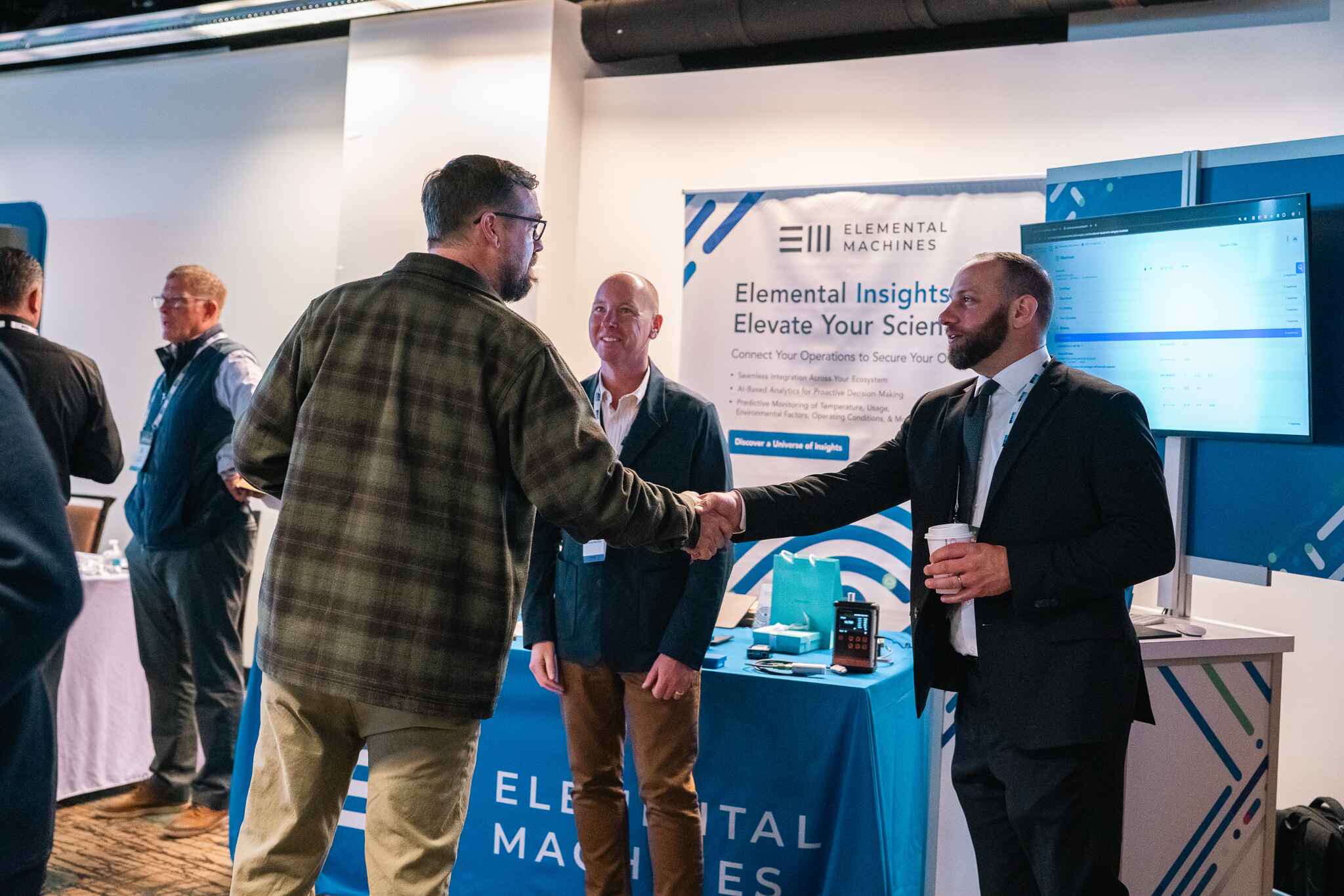
Put your solutions in front of the people who keep R&D running.
Connect with senior leaders across lab operations, facilities, engineering, and asset management from companies such as Takeda, Boehringer Ingelheim, Novartis, Regeneron, Pfizer, and more actively seeking smarter ways to optimize research environments.
Solve Challenges With People Who Get It
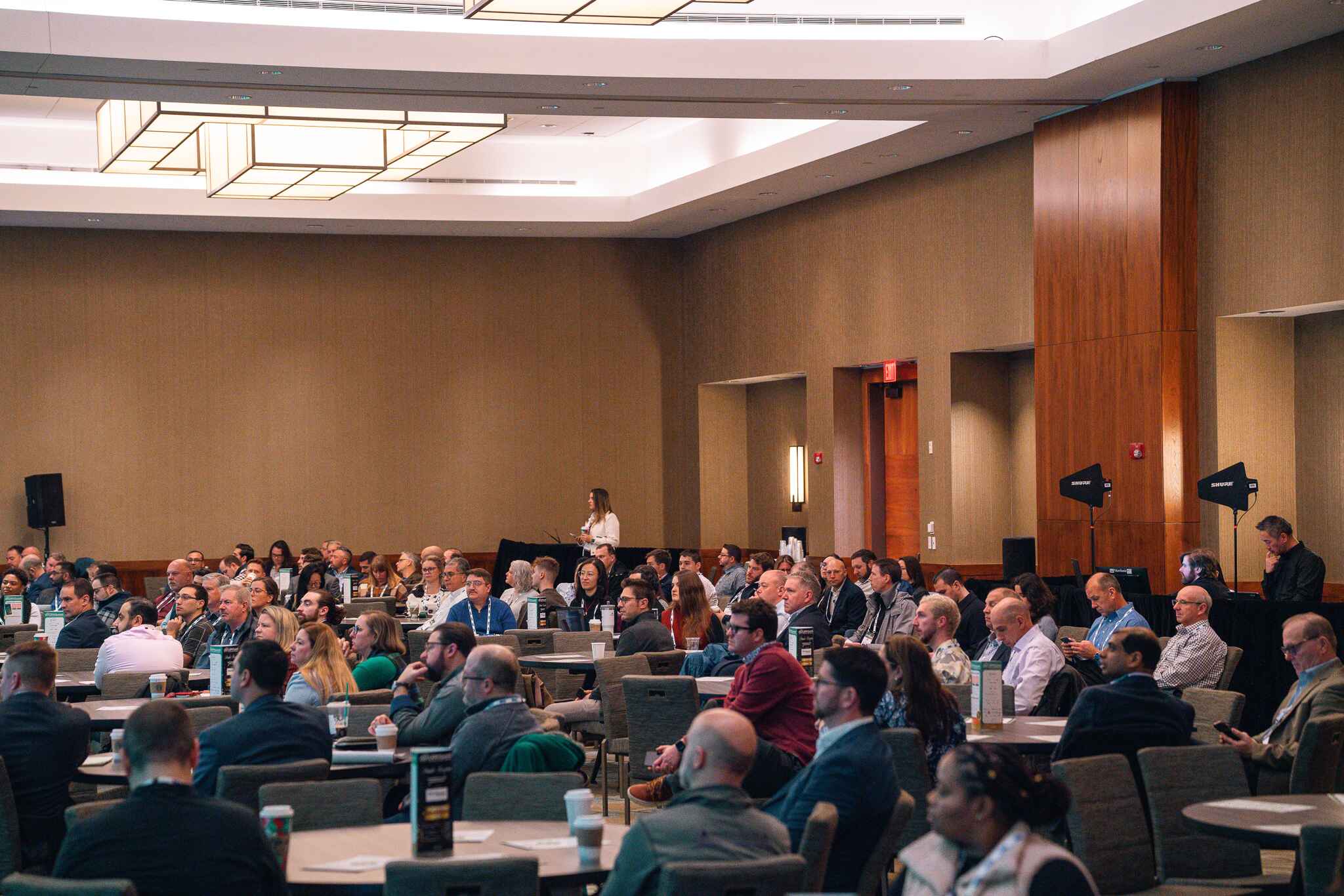
No sales pitches. Just real conversations.
From speed networking to the new LAFM Exchange, connect with 190+ pharma and biotech peers to benchmark strategies, share lessons learned, and leave with solutions you can act on.