Research facilities are under increasing pressure to support scientific growth while managing aging infrastructure, rising operating costs, evolving compliance requirements, and changing workforce needs. As a result, resilience has become a key priority for laboratory operations and facilities leaders.
Resilience is no longer simply about responding to emergencies. It is about creating facilities that can adapt to changing demands, maintain performance under pressure, and continue supporting critical research without disruption.

What Does a Resilient Research Facility Look Like?
A resilient research facility is designed to maintain operational continuity while adapting to evolving scientific, regulatory, and business requirements. This extends beyond backup power or emergency response plans. Resilience encompasses infrastructure reliability, asset management, maintenance strategies, workforce readiness, and long-term capital planning. Organizations are increasingly taking a holistic approach that considers how facilities, systems, equipment, and people work together to support scientific productivity.
Moving from Reactive to Proactive Maintenance
One of the most common characteristics of resilient facilities is a proactive maintenance strategy. Rather than waiting for equipment or infrastructure to fail, leading organizations are investing in asset lifecycle management, preventative maintenance programs, and improved condition monitoring. This helps reduce unexpected downtime, improve asset reliability, and provide greater visibility into future replacement requirements. By understanding the health and criticality of their assets, facilities teams can make more informed investment decisions and avoid costly disruptions.
Prioritizing Infrastructure Visibility
Many organizations are also focusing on improving visibility across their facilities portfolio. With growing numbers of laboratory assets, utilities, and building systems to manage, access to accurate operational data has become increasingly important. Modern CMMS, CAFM, and asset management platforms are helping teams track equipment performance, monitor maintenance activities, and identify emerging risks before they become larger operational issues. Greater visibility enables faster decision-making and reduces reliance on reactive problem-solving.

Building Flexibility into Facility Design
Research priorities can shift quickly, particularly across pharmaceutical, biotechnology, and academic environments.
Facilities that can accommodate changing workflows, evolving equipment requirements, and fluctuating occupancy levels are often better positioned to support future growth. Flexible laboratory layouts, adaptable infrastructure, and scalable utility systems can help organizations respond to changing demands without significant disruption or renovation costs. This flexibility has become an increasingly important component of long-term resilience planning.
What Industry Leaders Are Evaluating
Across the sector, laboratory and facilities leaders are asking similar questions:
Which assets present the
greatest operational risk?
How can maintenance resources be prioritized more effectively?
Are facilities prepared for future capacity requirements?
How can operational data support better investment decisions?
What improvements will have the greatest impact on business continuity?
The focus is shifting from managing individual issues to creating systems and processes that strengthen overall operational performance.
What This Means for Facilities and Laboratory Leaders
Building a resilient research facility is not about a single technology or infrastructure project. It requires a long-term strategy that balances reliability, efficiency, adaptability, and risk management. Organizations that invest in asset visibility, proactive maintenance, flexible infrastructure, and data-driven decision-making are often better equipped to navigate uncertainty while continuing to support scientific excellence.
As research environments become more complex, resilience is emerging as a defining characteristic of high-performing laboratory facilities. By focusing on operational continuity, asset reliability, and future readiness, organizations can create facilities that support both today's scientific priorities and tomorrow's challenges.

Explore the Agenda
Stop firefighting. Start futureproofing.
See how 30+ industry leaders are tackling AI adoption, asset visibility, maintenance strategy, and operational resilience to deliver more time back to science.

Partner With the Community That Enables Science
Put your solutions in front of the people who keep R&D running.
Connect with senior leaders across lab operations, facilities, engineering, and asset management from companies such as Takeda, Boehringer Ingelheim, Novartis, Regeneron, Pfizer, and more actively seeking smarter ways to optimize research environments.
Solve Challenges With People Who Get It
No sales pitches. Just real conversations.
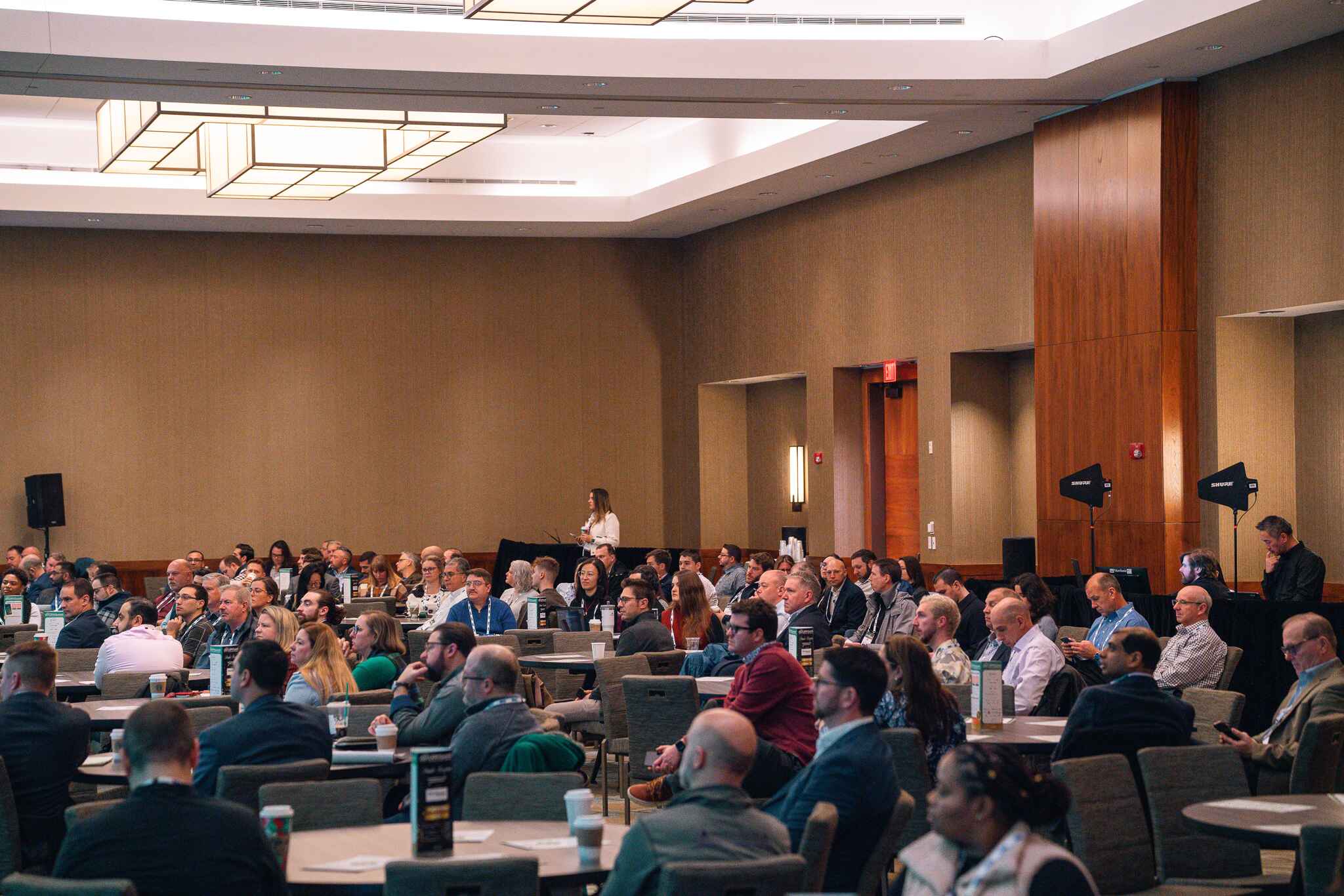
From speed networking to the new LAFM Exchange, connect with 190+ pharma and biotech peers to benchmark strategies, share lessons learned, and leave with solutions you can act on.