Laboratory operations teams have never had more data at their disposal. From asset inventories and maintenance records to occupancy data, environmental monitoring, and energy usage, modern laboratories generate a significant amount of operational information every day. The challenge is that collecting data is only part of the equation, with the real value coming from turning that information into better decisions.
As organizations look for ways to improve efficiency, reduce operational friction, and make better use of limited resources, artificial intelligence (AI) is becoming an increasingly common part of the conversation. While much of the public discussion around AI focuses on scientific discovery or drug development, many laboratory leaders are exploring how it can support the day-to-day management of facilities, assets, and laboratory infrastructure.

What is AI's Role in Laboratory Operations?
For most facilities and laboratory leaders, AI is not replacing existing systems or changing the fundamentals of effective operations management. Instead, it is being used to help organizations gain more value from the operational data they already collect.
Whether that information sits within a CMMS platform, asset management system, building management software, or facilities database, AI can help identify patterns and relationships that might otherwise be difficult to spot.
This shift is particularly important as laboratory portfolios become larger, more complex, and increasingly distributed across multiple sites.
Why Are Operations Teams Exploring AI?
Many laboratories continue to face similar operational pressures. Equipment fleets are growing, infrastructure is aging, maintenance teams are expected to support more assets, and scientists increasingly rely on facilities teams to provide reliable environments that enable research rather than disrupt it.
Against this backdrop, leaders are looking for ways to improve visibility and make better-informed decisions.
Areas attracting particular interest include:
Equipment utilization and asset performance
Maintenance planning and scheduling
Space and occupancy management
Energy efficiency initiatives
Infrastructure performance monitoring
Capital planning and investment prioritization
Rather than introducing entirely new operating models, many organizations are focusing on how AI can strengthen existing processes and help teams work more proactively.
What is Laboratory Asset Lifecycle Management?
Laboratory asset lifecycle management is the process of planning, deploying, maintaining, optimizing, and ultimately replacing scientific equipment throughout its operational life. The objective is to ensure equipment remains available, reliable, compliant, and aligned with organizational requirements throughout its lifecycle.
As asset portfolios grow, many organizations are exploring how AI-supported analytics can provide greater visibility into utilization, condition, maintenance requirements, and replacement planning.
How Can AI Support Maintenance Strategies?
Maintenance is one of the most practical areas where AI is beginning to influence laboratory operations. Traditionally, maintenance activities have been driven by fixed schedules or reactive responses when equipment fails. While these approaches remain important, they do not always reflect the actual condition of an asset.
By analyzing historical maintenance records, sensor data, and equipment performance trends, organizations can gain earlier visibility into potential issues and better prioritize resources.
For facilities teams, the value is often found in improving planning decisions, reducing unexpected disruptions, and focusing attention on the assets that pose the greatest operational risk.

What Industry Leaders Are Evaluating
Across pharmaceutical, biotechnology, academic, and research organizations, conversations about AI increasingly focus on practical implementation rather than technology alone.
Many leaders are evaluating how operational data can be used more effectively, where manual processes create bottlenecks, and which activities offer the clearest opportunities for improvement.
There is also growing recognition that successful adoption depends less on sophisticated algorithms and more on having accurate asset records, standardized processes, and strong operational governance. In many cases, organizations are finding that preparing the foundations for AI delivers just as much value as the technology itself.
What This Means for Facilities and Laboratory Leaders
For facilities and laboratory operations teams, AI should be viewed as part of a broader effort to improve operational performance.
Before investing in advanced tools, organizations may benefit from assessing the quality of their asset data, reviewing maintenance workflows, and identifying areas where visibility is currently limited.
The most successful initiatives tend to start with clearly defined operational challenges and measurable outcomes. Whether the objective is improving equipment utilization, reducing downtime, optimizing space, or supporting better capital planning, the focus remains the same: enabling more informed decisions across the laboratory environment.
Conclusion
AI is unlikely to solve every challenge facing laboratory operations teams. However, it is creating new opportunities to improve visibility, support planning, and make better use of the information laboratories already generate.
As organizations continue to balance efficiency, resilience, sustainability, and scientific productivity, the discussion is shifting away from whether AI should be used and toward where it can deliver the greatest operational value. For facilities and laboratory leaders, that conversation is becoming an increasingly important part of planning the laboratory of the future.
Key Takeaways
Laboratory teams are increasingly using AI to improve visibility across assets, maintenance programs, and facility performance
Predictive insights can help identify potential issues earlier and support more proactive planning
Data quality remains one of the biggest factors influencing the success of AI initiatives
The greatest opportunities often sit within existing operational processes rather than entirely new technologies
AI adoption is increasingly being evaluated through the lens of productivity, efficiency, and operational resilience

Explore the Agenda
Stop firefighting. Start futureproofing.
See how 30+ industry leaders are tackling AI adoption, asset visibility, maintenance strategy, and operational resilience to deliver more time back to science.
Partner With the Community That Enables Science
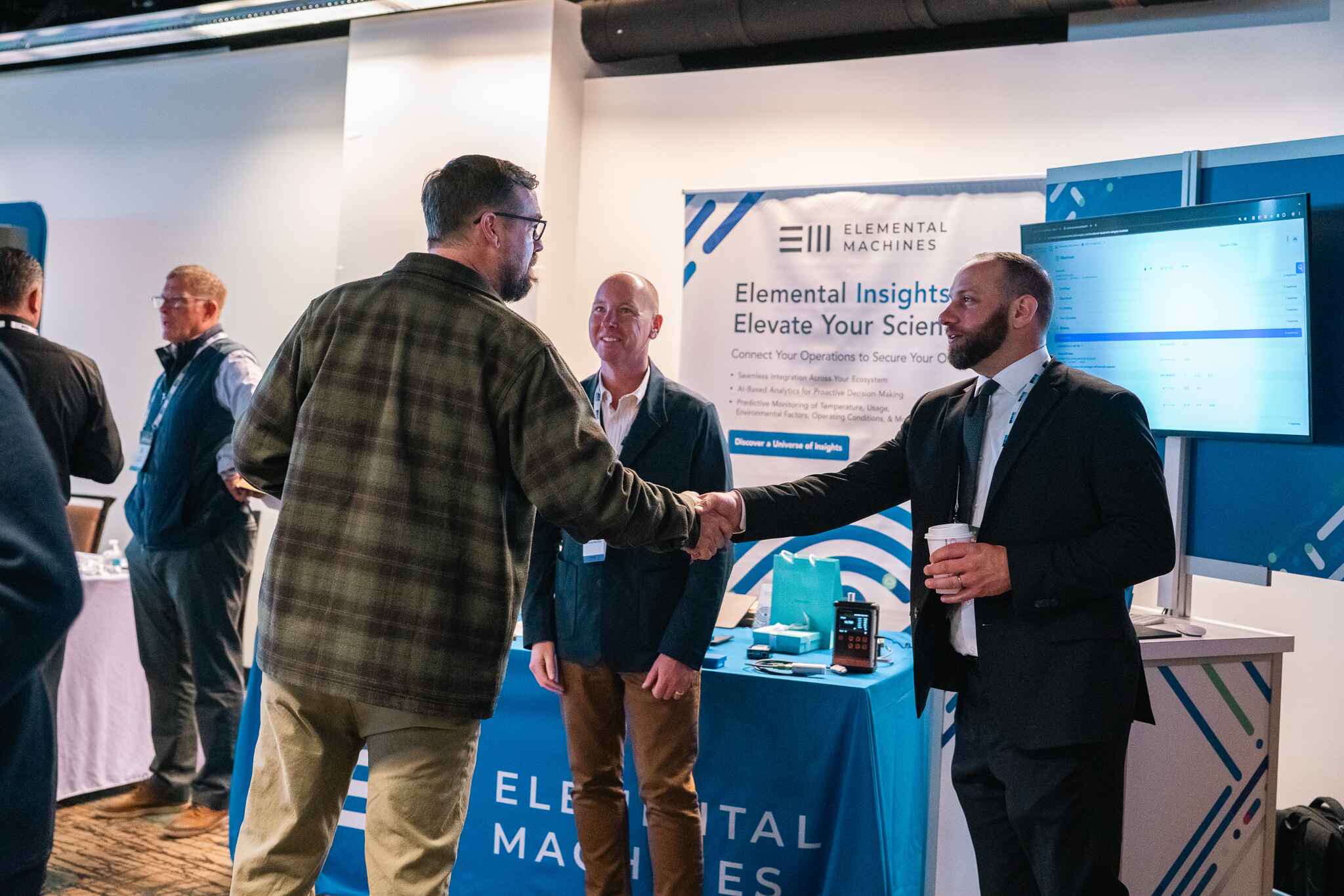
Put your solutions in front of the people who keep R&D running.
Connect with senior leaders across lab operations, facilities, engineering, and asset management from companies such as Takeda, Boehringer Ingelheim, Novartis, Regeneron, Pfizer, and more actively seeking smarter ways to optimize research environments.
Solve Challenges With People Who Get It
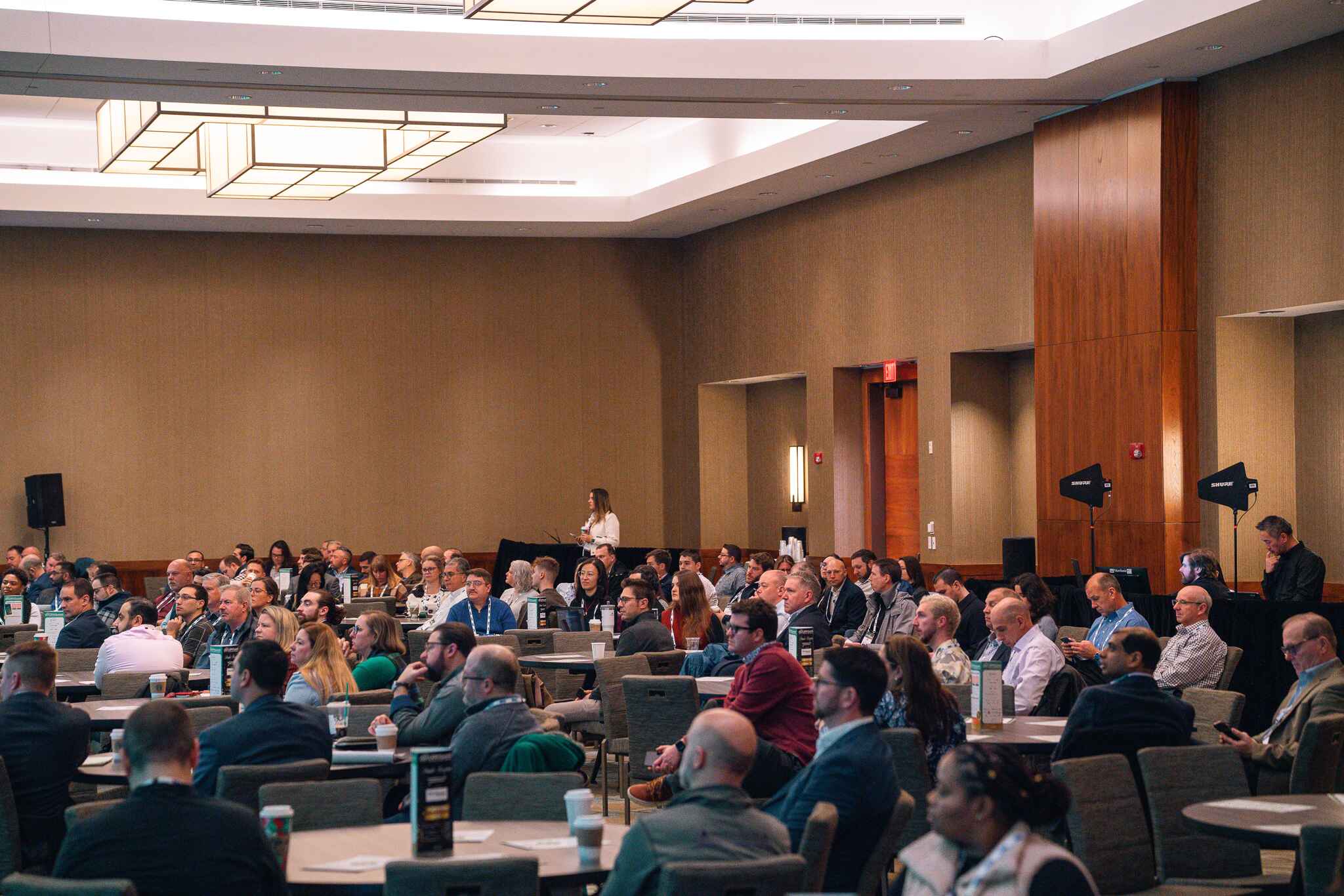
No sales pitches. Just real conversations.
From speed networking to the new LAFM Exchange, connect with 190+ pharma and biotech peers to benchmark strategies, share lessons learned, and leave with solutions you can act on.