Sadegh Majdi - Lab Operations Specialist, Sanofi
Sadegh Majdi is a bioprocess scientist with over five years of experience in upstream process development, specializing in advancing programs from early-stage research through to pilot-scale GMP readiness. His expertise spans both mammalian cell culture and microbial systems, supported by strong capabilities in Process Analytical Technology (PAT) and bioinformatics-driven analytics.
Sadegh is currently working as Lab Operations Specialist at Sanofi and part of the speaker faculty for the 9th Lab Asset & Facility Management Summit. We sat down to discuss all things LAFM, so get ready for some exclusive pre-conference insights.
What do you see as the biggest challenge currently facing lab operations, facilities, and asset management leaders, and why?
One of the biggest challenges facing lab operations leaders today is finding the right balance between internal inventory and vendor-managed inventory.
Many organizations are looking for ways to reduce on-site inventory and rely more on vendors, who may have greater flexibility and capacity to store materials. This can provide important benefits, but it also creates a critical question: which materials should remain available internally, and which can be managed through the vendor? The answer is not always based on how frequently a material is used. Some materials may be used only occasionally, but they may have long lead times or limited availability. If one of these materials is needed unexpectedly and is not available, it can significantly delay an R&D project.
This is particularly important in research and development environments, where project priorities and requirements can change quickly. A material that was not expected to be needed may suddenly become critical to a project. Therefore, inventory decisions need to consider more than just usage frequency. Lead time, availability, criticality, supplier reliability, and the potential impact on project timelines are also important factors.
The challenge is finding the right level of inventory and determining where that inventory should be maintained - internally, with a vendor, or through a combination of both. Effective inventory management requires a data-driven approach that considers both operational efficiency and project risk. Ultimately, the goal is not simply to minimize inventory. It is to maintain the right materials, at the right level, in the right location, so that inventory does not become a bottleneck for scientific progress.
Looking ahead, what changes or trends do you believe will have the greatest impact on how research environments are designed and operated over the next few years?
I believe one of the most important trends will be the increasing use of automation, artificial intelligence, and connected digital systems in research environments. We are moving toward laboratories where instruments and systems can collect and analyze data in real time, identify unusual results, and support more automated workflows. In the future, scientists and laboratory professionals may spend less time on routine manual tasks and more time supervising systems, interpreting results, and making important decisions.
Digital twins will also become increasingly important. They can allow organizations to test processes, evaluate changes, and identify potential problems virtually before making changes in the physical laboratory. At the same time, research environments will become more connected across different sites. This will make standardized data, consistent processes, and strong data governance increasingly important. Physical laboratories will also need to be more flexible so that they can adapt as scientific priorities change.
In my view, the research environment of the future will combine automation, connected data, flexible facilities, and human expertise. Technology will handle more routine activities, while people will continue to focus on judgment, problem-solving, and innovation.
What's one lesson or best practice your team has learned that you think would benefit others in the industry?
One important lesson we have learned is the value of standardizing data, including the names used for materials, equipment, and other items. In many cases, a vendor may use one name for an item, while an internal team or another system uses a different name for the same item. Over time, this can make it difficult to search for information, connect records, track materials, and maintain accurate data.
Standard identifiers, such as CAS numbers for chemicals, can help connect different names and records. However, having consistent and standardized names within an organization also makes day-to-day operations much easier. This may seem like a small detail, but it can have a significant impact on data integrity, compliance, and operational efficiency. Our experience has shown that standardizing data early creates a much stronger foundation for asset management, maintenance, inventory management, and future digital systems.
What are you most looking forward to discussing or learning from your peers at this year's LAFM Summit?
I am most interested in learning how other organizations are improving data quality and standardization across their laboratory, facilities, and asset management operations. I would particularly like to hear how other teams manage different naming conventions, legacy systems, and data from multiple vendors and sites. I am also interested in learning how organizations are using digital tools to improve asset visibility, maintenance planning, compliance, and data integrity.
One of the most valuable parts of the Lab Asset & Facility Management Summit is the opportunity to learn from the practical experiences of other professionals. Understanding what has worked for other organizations - and the challenges they have faced - can provide valuable ideas that can be applied in our own operations.
If attendees could leave your session with one practical takeaway, what would you hope it would be?
I would hope attendees leave with the understanding that reliable and standardized data is the foundation of effective lab operations and asset management. Before organizations can fully benefit from advanced digital tools and automation, they need to make sure that their basic data is accurate, consistent, and easy to understand. This includes standardized names, reliable asset information, accurate maintenance records, and strong data integrity practices.
My main takeaway would be simple: small improvements in how we organize and standardize data can create significant benefits for compliance, efficiency, and decision-making. A strong data foundation is essential for building the connected laboratories of the future.
Explore the Agenda
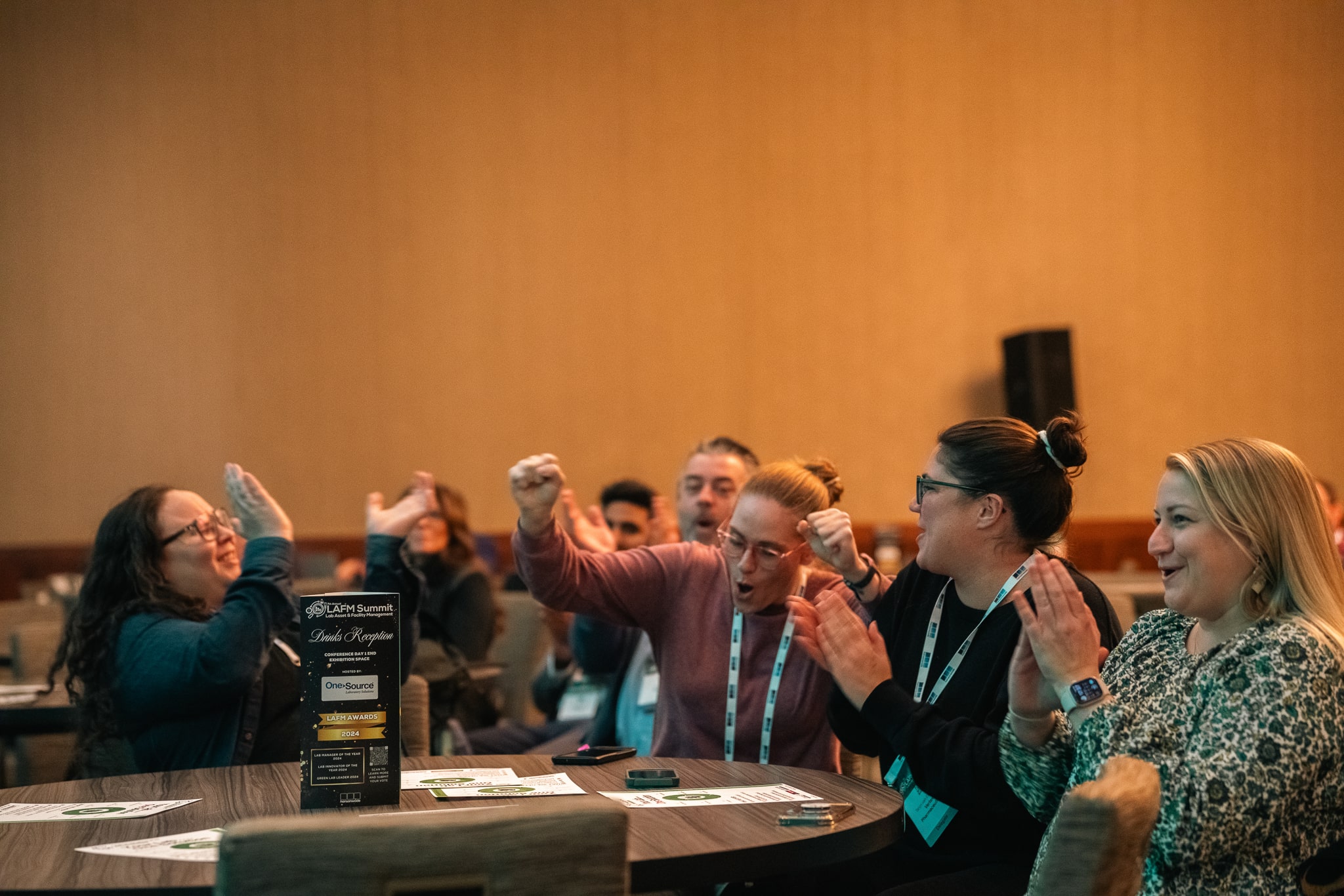
Stop firefighting. Start futureproofing.
See how 30+ industry leaders are tackling AI adoption, asset visibility, maintenance strategy, and operational resilience to deliver more time back to science.
Partner With the Community That Enables Science
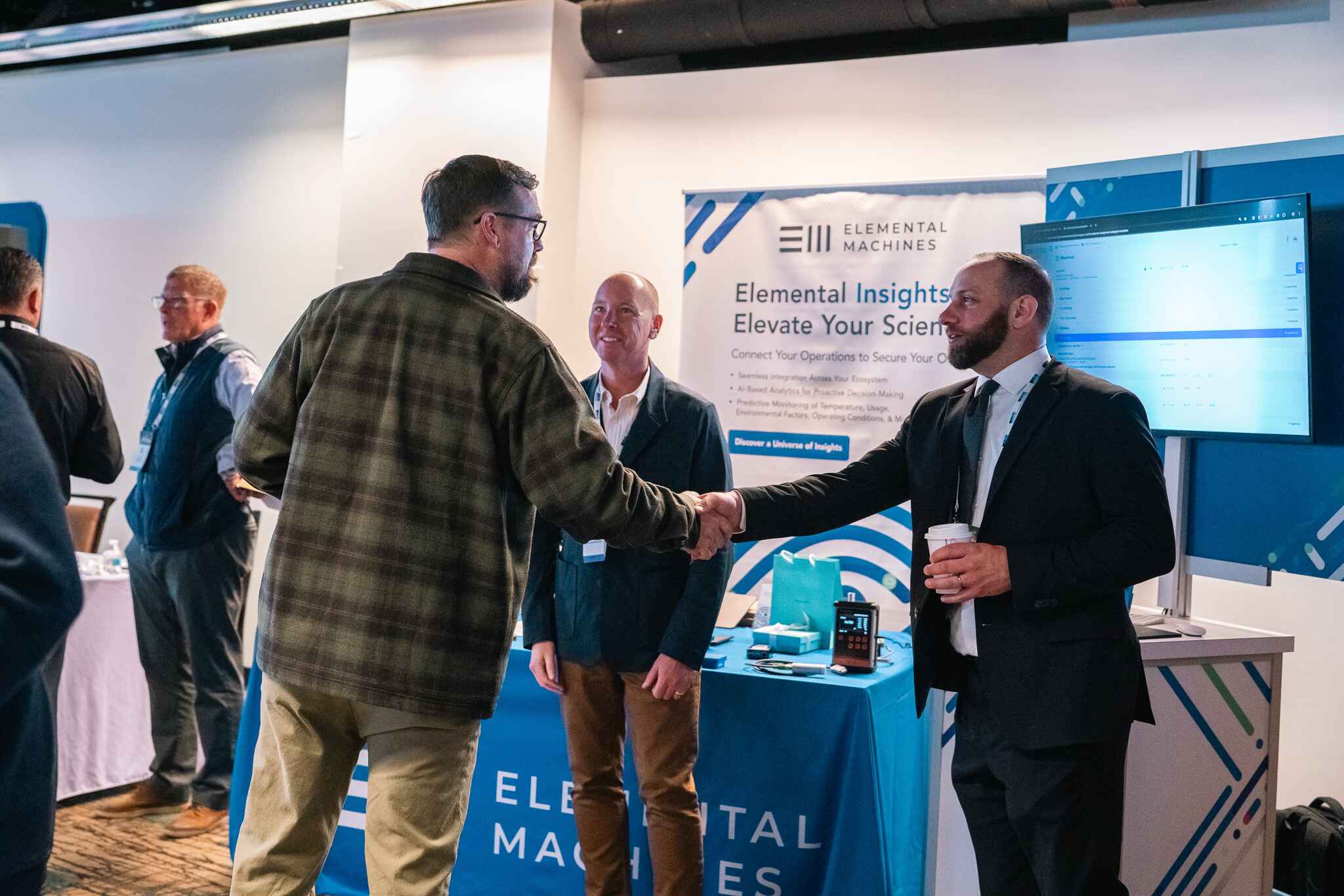
Put your solutions in front of the people who keep R&D running.
Connect with senior leaders across lab operations, facilities, engineering, and asset management from companies such as Takeda, Boehringer Ingelheim, Novartis, Regeneron, Pfizer, and more actively seeking smarter ways to optimize research environments.
Solve Challenges With People Who Get It
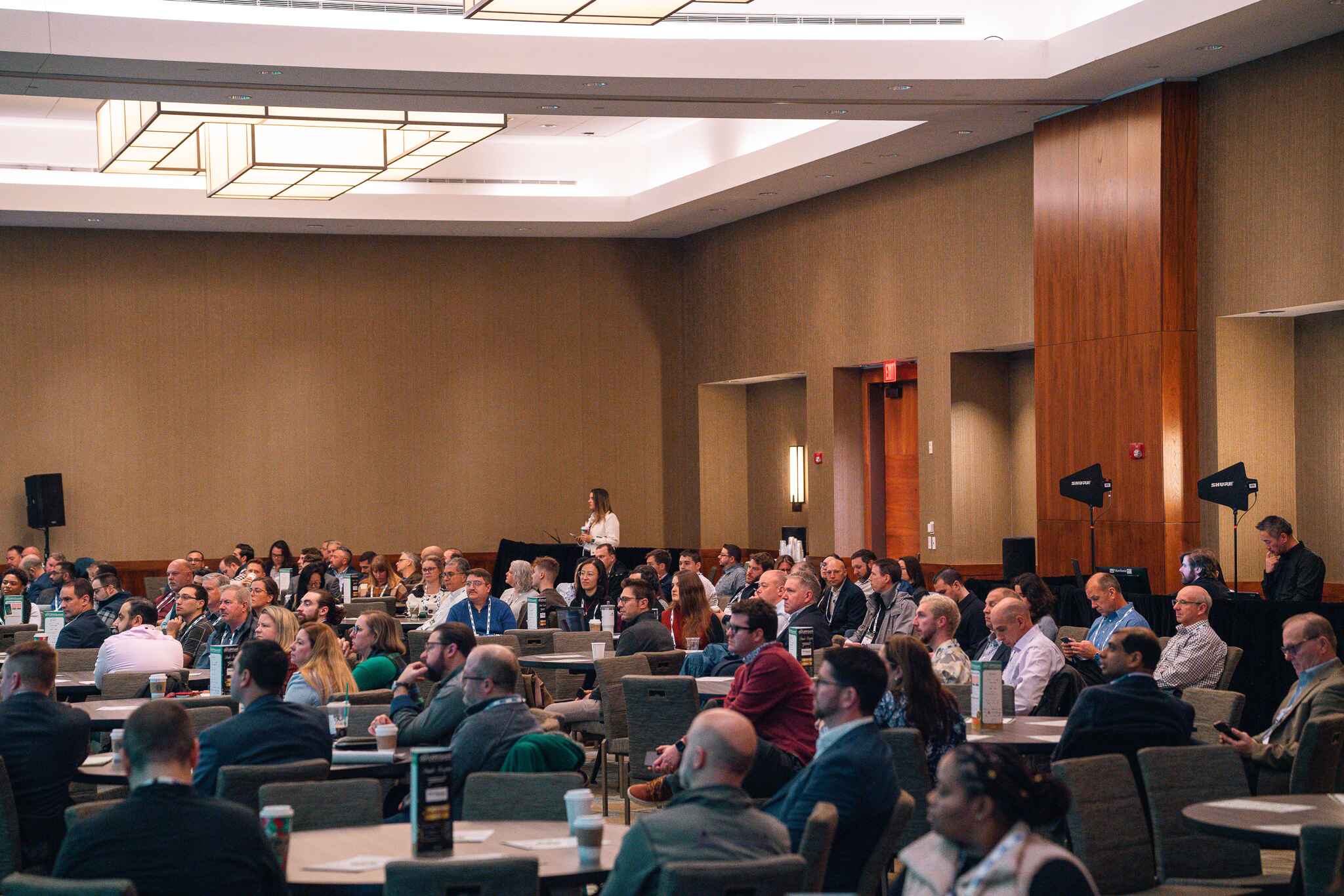
No sales pitches. Just real conversations.
From speed networking to the new LAFM Exchange, connect with 190+ pharma and biotech peers to benchmark strategies, share lessons learned, and leave with solutions you can act on.